Blown Fuse in Hope Island
Blown a fuse in your Hope Island home? It is often a minor event, but Family Electrician Hope Island checks it properly, explains what happened plainly, and leaves it safe and sorted, backed by 300+ five-star reviews.
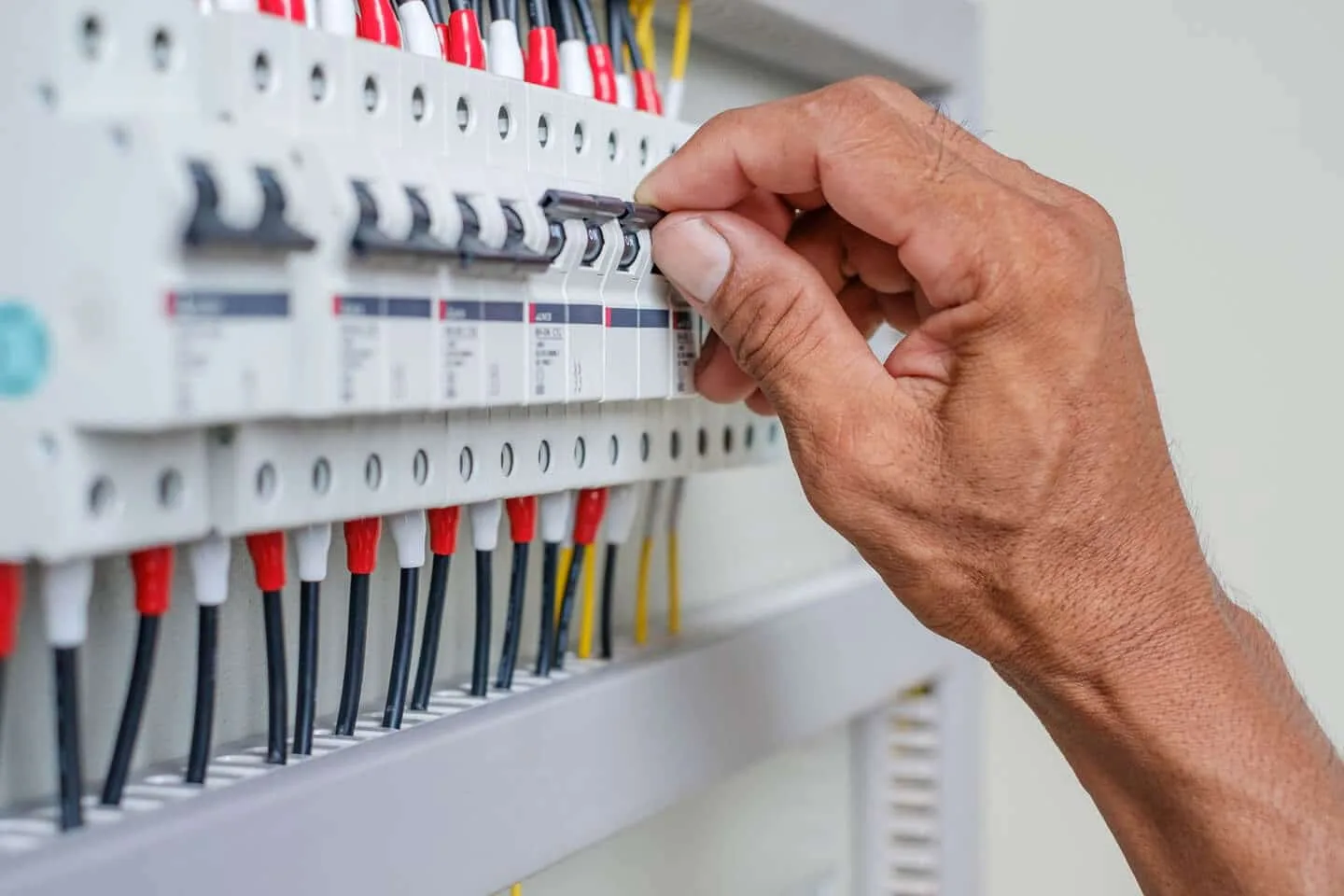
What a Blown Fuse Actually Means
A blown fuse means a circuit drew more current than it was designed to carry, and the fuse did its job by cutting the power before wiring or an appliance overheated. It is a protective device working correctly, and under AS/NZS 3000 that protection matters. A licensed electrician in Hope Island can trace the cause quickly and make it safe.
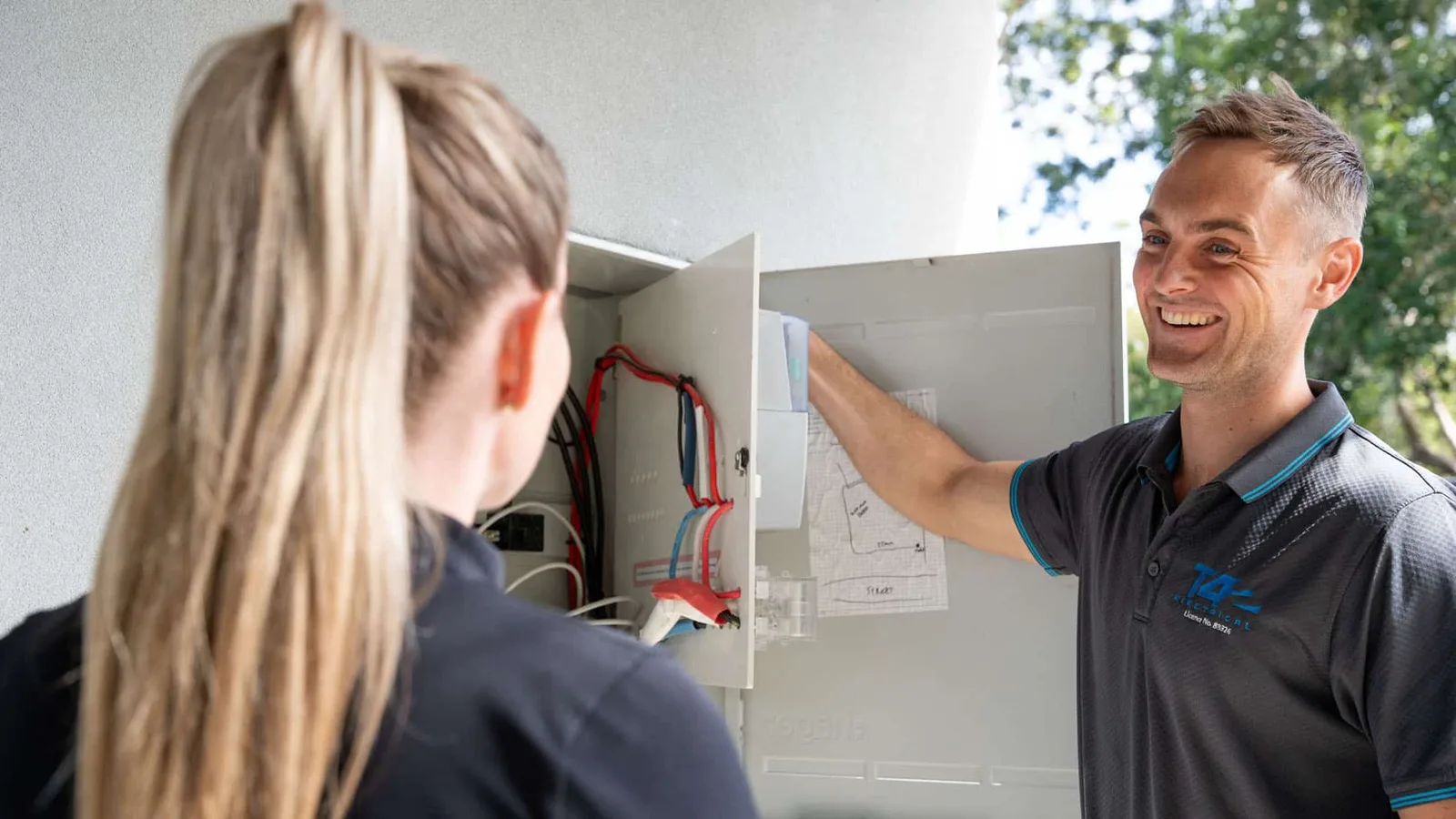
Common Causes of a Blown Fuse
An early board or ceramic fuses
Some late-1980s and 1990s first-wave homes still run an early board or ceramic fuses with no modern safety switches, and these older boards blow more readily under today's household load.
Overloading the circuit
Running a pool pump, ducted air conditioning and everyday appliances on the same ageing circuit can push it past its rated limit, particularly through a Gold Coast summer when everything is switched on together.
A short circuit
A damaged cord, a fault inside an appliance, or a wiring fault can cause a sudden surge of current that blows the fuse almost instantly, often with a small pop at the point.
Faulty appliances
An appliance with an internal fault will draw excess current the moment it is switched on, blowing the same fuse repeatedly until the faulty item is identified and isolated.
Salt-corroded fuse holders
Canal-front boards near the marinas and waterways face constant salt-laden air, and a corroded fuse holder or a weakened connection can draw enough current over time to blow a fuse.
Is a Blown Fuse Dangerous?
A single blown fuse is usually a nuisance, not an emergency, but a fuse that keeps blowing or an early board with no safety switches is a genuine warning sign worth taking seriously.
- A fuse blowing once and staying off is generally the system protecting you as designed
- A fuse that blows again soon after replacement points to a fault that will not fix itself
- Warmth, buzzing or any smell at the fuse board should be checked the same day
- An old board with no safety switches offers little protection against shock under AS/NZS 3000
Call now to book your electrician today on (07) 5588 8593.
What To Do Right Now
If a fuse has blown, a few simple and safe steps protect your household and the circuit until a licensed electrician can take a proper look at what happened:
- Switch off the main switch or the affected circuit at the switchboard.
- Unplug the appliance that was running when the fuse blew and leave it unplugged.
- Do not keep replacing or resetting a fuse that blows again straight away.
- Do not open the switchboard, remove covers, or touch the wiring yourself.
- Call a licensed electrician (Lic #83326) to check the circuit properly.
When To Call an Electrician for a Blown Fuse in Hope Island
- The same fuse blows again soon after it is replaced
- More than one circuit is affected, or the whole board feels unreliable
- There is any warmth, buzzing or burning smell at the board
- Your switchboard still uses an early board or ceramic fuses
- The blown fuse followed heavy use of the pool, spa or ducted air conditioning
Any of these at your property is a job for a licensed electrician, not another fuse. We respond same-day where availability allows, with clear pricing before we start, and can advise on switchboard upgrades, electrical repairs or a safety inspection.
How it works
How We Fix a Blown Fuse in Hope Island
Fault Finding
We isolate circuits methodically to trace exactly why the fuse blew, checking connected appliances, wiring and the board itself before deciding on the right fix.
Upfront Quote
Once we understand the cause, we explain it in plain language and give you clear pricing before we start, so there are no surprises once work begins.
The Repair or Upgrade
We resolve the immediate fault, and where an early board is the real issue, we recommend a switchboard upgrade to a modern RCD board with safety switches fitted.
Testing & Safety Check
Every circuit is tested and the board checked against AS/NZS 3000 before we leave, and where salt corrosion is present we recommend a safety inspection to catch it early.
Why This Is Common in Hope Island Homes
Early boards from the late-1980s and 90s first wave of canal development often struggle once pool, EV and ducted aircon loads climb, a pattern we see just as often in neighbouring Coomera.
Blown Fuses and Related Electrical Faults Across Hope Island
A blown fuse often shows up alongside a tripped circuit breaker or overloaded power points. We fix all three across the suburb, Helensvale, Paradise Point and Oxenford.

Fuse Keeps Blowing in Hope Island? Book an Electrician Today
Call (07) 5588 8593 for same-day and emergency service, clear pricing before we start, and 300+ five-star reviews behind us. We will find the fault and leave it safe and sorted. Get in touch.
Common questions
Blown Fuse FAQs
Here are the questions we hear most from homeowners dealing with a blown fuse, along with straight answers before you pick up the phone.
Is a blown fuse dangerous?
Usually not. A fuse blowing once is often just doing its job, but one that blows repeatedly points to a real fault that should be checked properly.
What causes a fuse to blow?
Overload, a short circuit, a faulty appliance, or an ageing rewireable fuse board without modern safety switches are the most common causes we find on site.
What should I do if a fuse blows?
Switch off the main switch, unplug whatever was running on that circuit, and avoid repeatedly resetting it before calling a licensed electrician to check it properly.
Do I need an electrician for a blown fuse, or can I fix it myself?
Fuses and old fuse boards should only be handled by a licensed electrician, since diagnosing the underlying fault safely requires proper testing equipment and training.
How much does it cost to fix a blown fuse or upgrade a fuse board?
It depends on the cause and the board itself, so we assess it onsite and give you clear pricing before we start, with no surprises once work begins.
Are early fuse boards still common in Hope Island canal homes?
Yes. Some late-1980s and 1990s first-wave homes still run an early board or ceramic fuses, which we typically replace with a modern RCD switchboard.